


jl4l | Exploring the Multifaceted World of Strategy Games
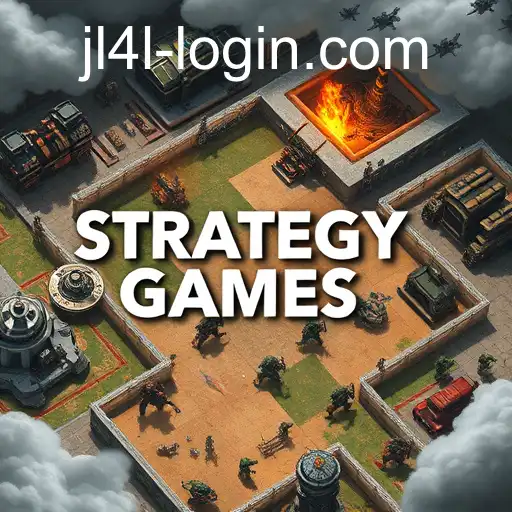
In the vast realm of video gaming, strategy games hold a special place as they challenge players to think critically, plan meticulously, and execute their plans with precision. Identified by their keyword 'jl4l,' these games cover a rich spectrum of themes and narratives, ranging from historical battles to fantastical adventures. Strategy games require players to engage in decision-making processes that impact the outcome of the game, making them both intellectually stimulating and immensely satisfying.
From timeless classics like 'Chess' and 'Risk' to modern digital marvels like 'Total War Series' and 'Civilization,' strategy games have evolved to cater to a wide audience. These games often fall into two main categories: turn-based and real-time. Turn-based strategy (TBS) games, such as 'Civilization,' allow players to ponder their moves carefully, much like a game of chess. Real-time strategy (RTS) games, such as 'Command & Conquer,' on the other hand, require quick thinking and reflexes as the game unfolds in real-time.
Strategy games are renowned for their ability to educate as much as they entertain. Many historical strategy games incorporate real historical events, providing players with an immersive educational experience. Games like 'Europa Universalis' or 'Age of Empires' serve not only as entertainment but also as a tool for learning about historical timelines, cultures, and warfare.
The strategic layer in these games often involves resource management, territory control, and complex battle tactics. Players must optimize their resource allocation, manage their armies, and devise strategies that outsmart their opponents. This makes strategy games a breeding ground for developing critical thinking and problem-solving skills.
In recent years, the popularity of strategy games has been bolstered by the rise of esports and online multiplayer modes, which enable players to test their skills against others from all around the world. Games like 'StarCraft' have become iconic esports staples, attracting a competitive scene that showcases the intensity and skill involved in mastering these games.
With constant innovation and development occurring in the gaming industry, the future of strategy games appears bright. Developers continue to push the boundaries of the genre, introducing novel mechanics, stunning graphics, and engaging storylines. As gaming enthusiasts eagerly anticipate the next wave of strategy games, one thing is certain: the cerebral allure of strategy games will continue to captivate minds for generations to come, offering endless opportunities for players to hone their strategic acumen and conquer challenges in a myriad of virtual worlds.
